

Driving for a rideshare service like Uber or Lyft can be a great way to make money, whether it’s your full-time job or a side hustle to earn some extra cash. That said, although it can be lucrative, no one ever promised it would be easy.
When you factor in the costs associated with it—gas, insurance, maintenance, cleaning, and other expenses—ridesharing can actually get quite pricey, and turning a profit can be difficult. According to a Ridester survey, the average Uber driver makes between $8.55 and $11.77 per hour, which is close to the federal minimum wage (and substantially below some state and city minimum wages).
To make the kind of money that you should be making, it’s not enough to work hard; you also need to be savvy and strategic.
We contacted several veteran rideshare drivers and asked them for tips they think everyone should know when they’re getting their start with an app like Uber or Lyft. Here’s what they told us.
 As a rideshare driver, making money depends on maximizing your profits and minimizing your expenses, and most of your expenses will come from your vehicle.
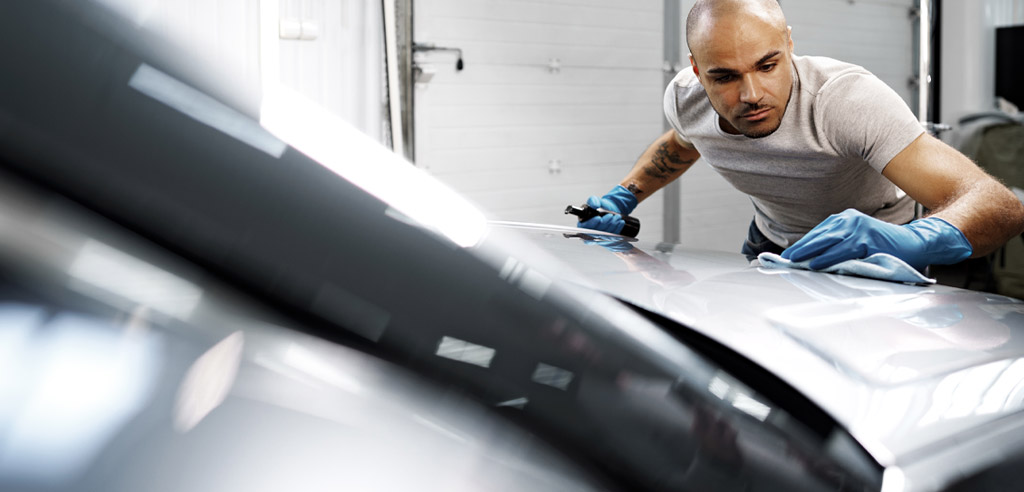 Relatedly, don’t neglect your vehicle. No matter how reliable the brand is, it will need regular maintenance—in fact, you’ll need to maintain it much more often than a personal vehicle. You’re going to be putting a lot of miles on it, after all.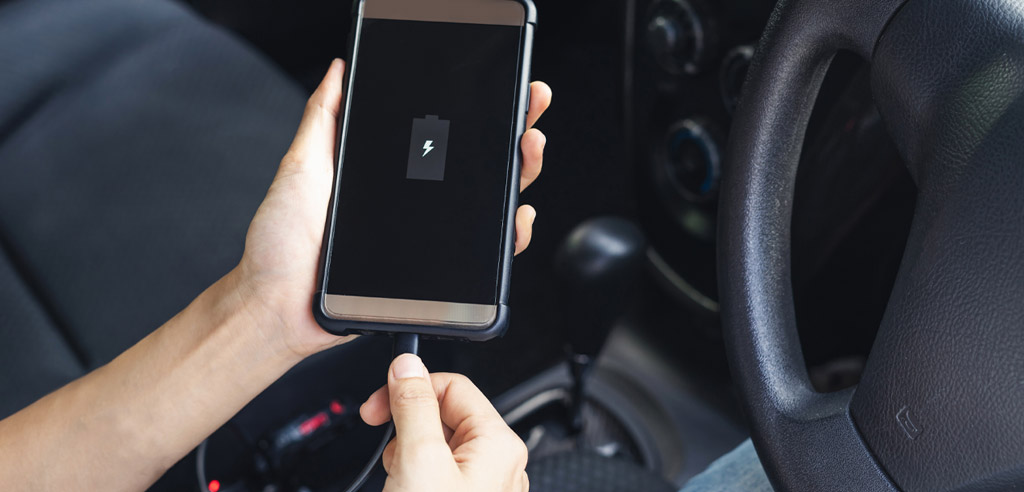
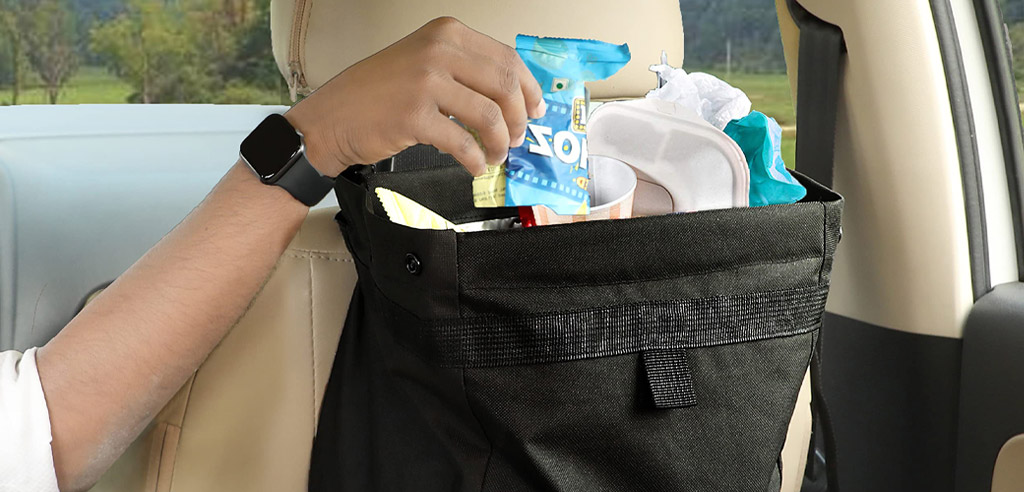 If you work evenings and nights, you’re going to pick up more than a few drunk passengers, and the unfortunate truth is that eventually, one of them is going to have a colorful accident in your backseat. Uber and Lyft will both allow you to submit a request for a “cleaning fee” if that happens, but it won’t necessarily cover the full cost of scrubbing your car.
 To rake in more tips, several rideshare drivers we talked to recommended politely asking your passengers to give you a good rating when you finish each ride.
 Unfortunately, if you drive for long enough, eventually something bad is going to happen. Maybe you’ll get in an accident and have to file an insurance claim, or you’ll kick out a belligerent passenger and they’ll lodge a complaint with Uber or Lyft that just isn’t true.
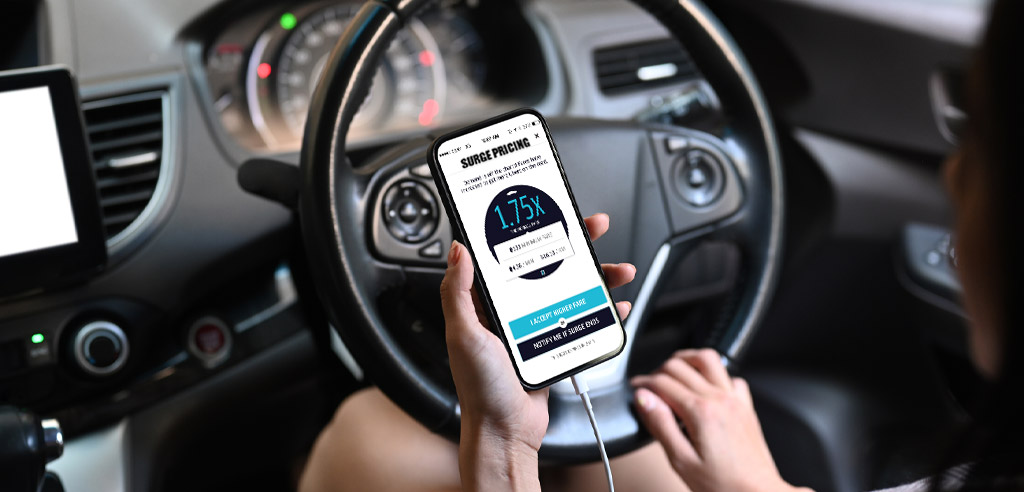 One of the first tips you’ll read when you start driving for Uber or Lyft is that you should take advantage of surge pricing. As you might already know, when the demand for drivers in an area is particularly high, fares will “surge” and you’ll make more money from your rides.
 Uber and Lyft are competitors, and they don’t want you driving for each other. That said, many of the drivers we spoke to drove for both apps. There’s no law against doing that, and there’s really no way for either of them to know.
 This is the most controversial piece of advice we ran into, and one that not everyone will want to follow. If you’re just driving one or two nights a week and see it as a temporary thing, it isn’t for you.