
For most people, a $93,000 annual salary would be enough to endure a few bad days at the office. But for Grace Sarah, the price tag on her mental health was much higher.
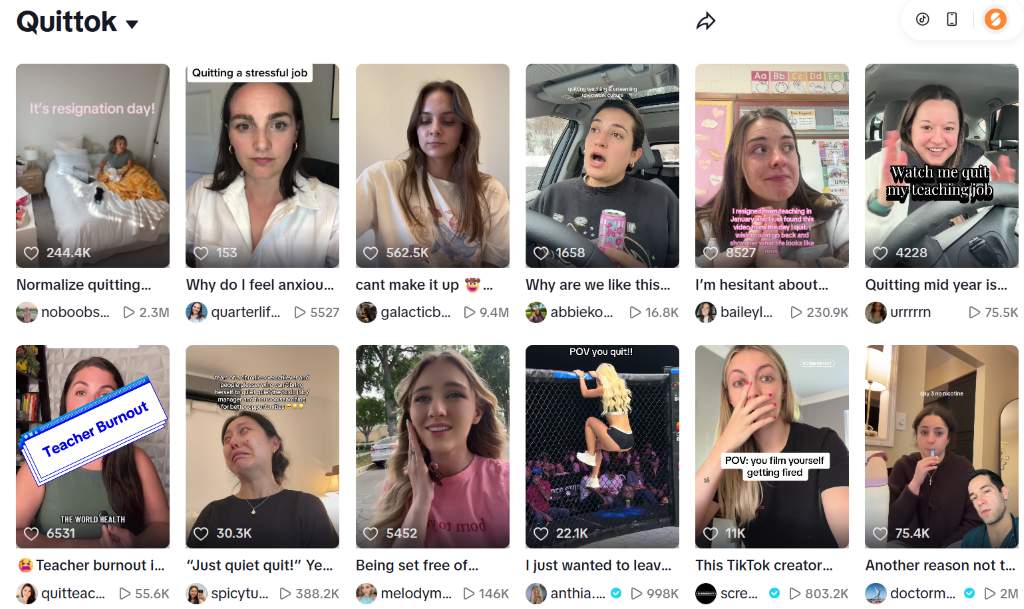
“I just quit my job to my boss’s face,” Sarah said in a TikTok video with 1.1 million views. “I have no idea what I’m going to do, but I’ve got six weeks to figure it out, because that’s how much I have left to pay my rent.”
Despite criticism from commenters warning that “eggs are $20” and predicting failure, Sarah represents a growing group of workers embracing a trend known as revenge quitting.
As Asia Grace of The New York Post quipped, “She just doesn’t give a shift.”
Supporters of this phenomenon argue that revenge quitting is a deliberate rejection of workplace cultures they view as toxic, unsupportive, or overly focused on productivity at the expense of employee well-being.
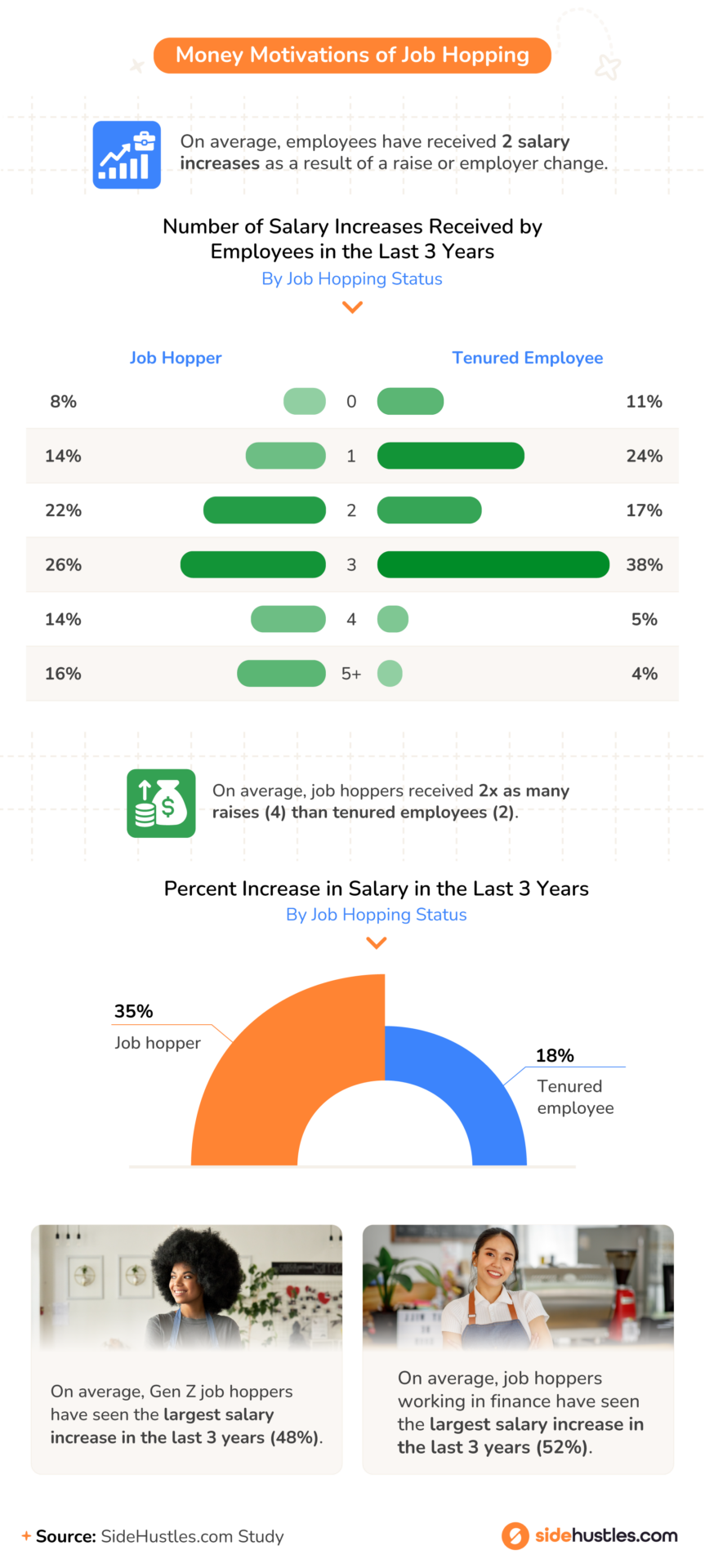
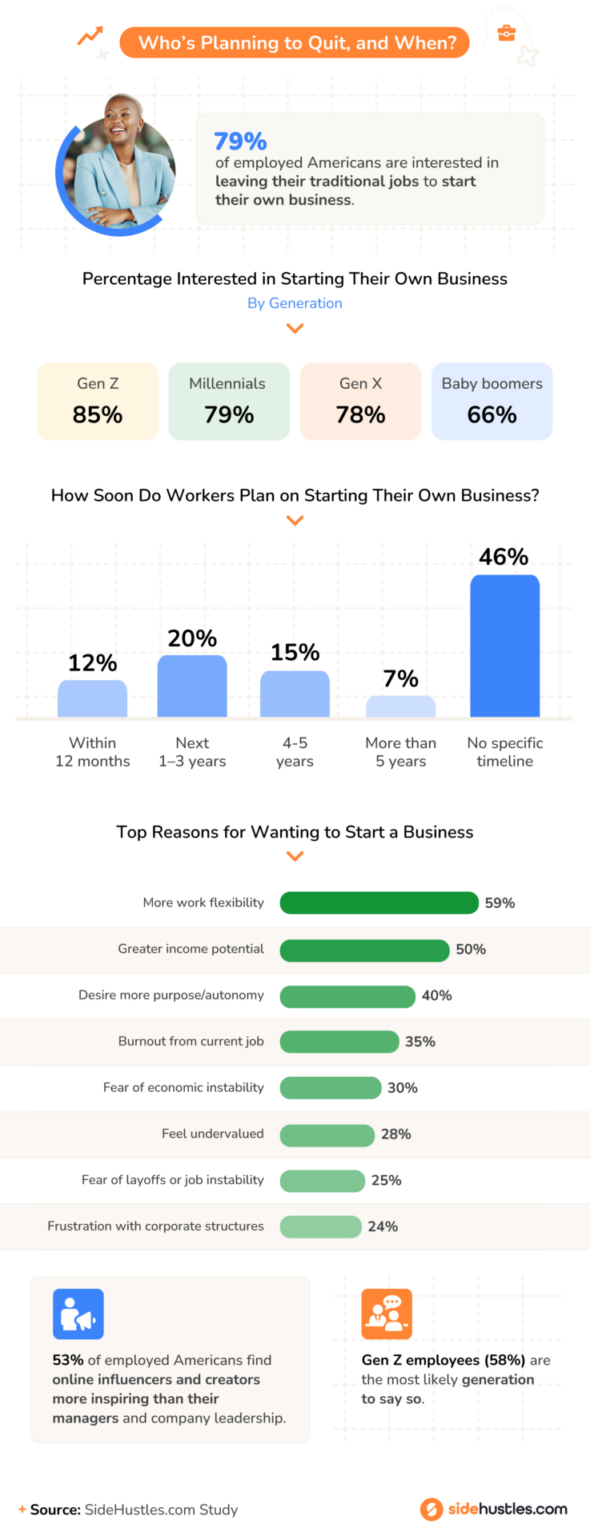
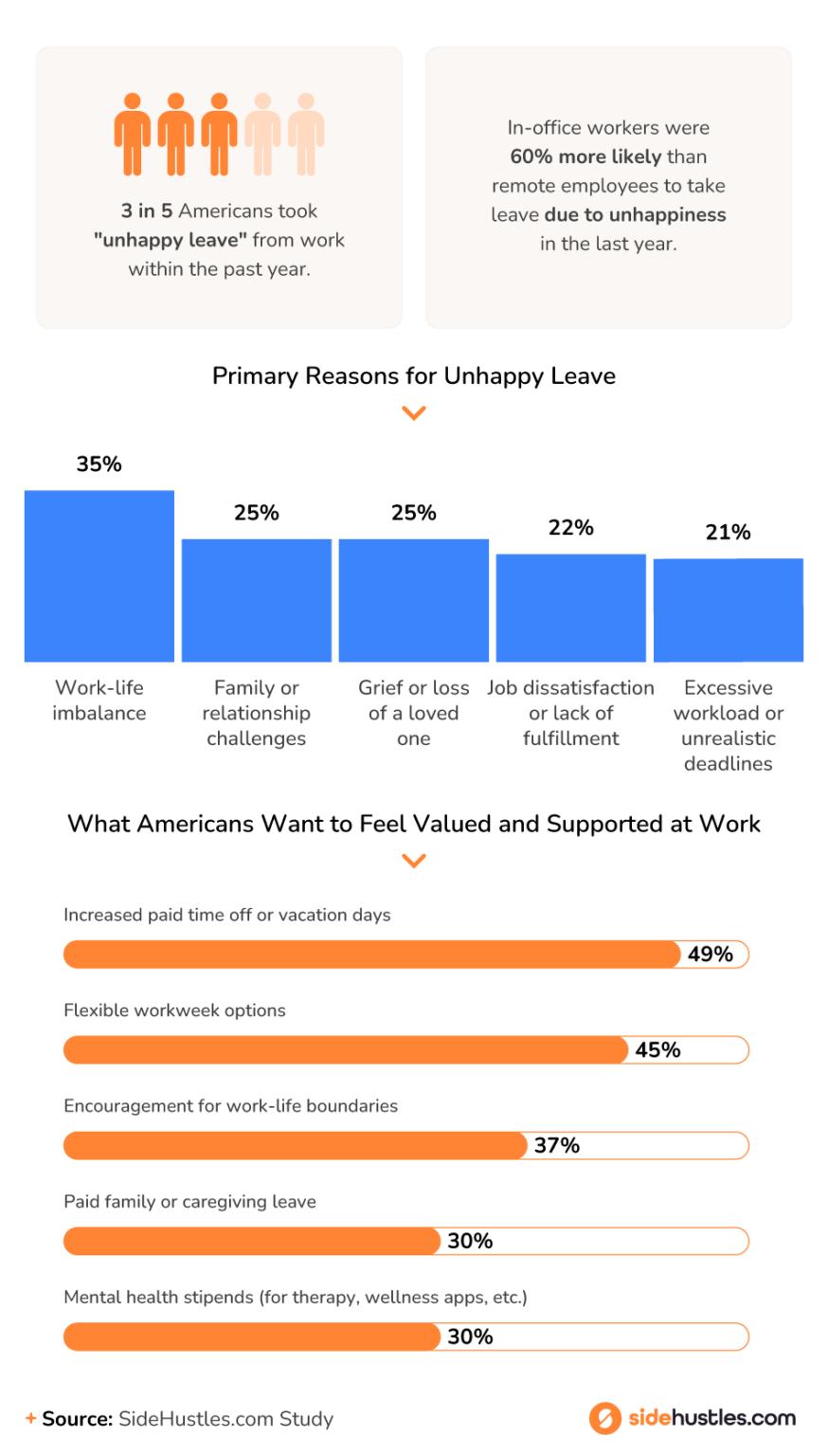
The trend has generated plenty of debate, and it also raises a more practical question. Why are so many workers suddenly willing to quit without another job lined up?