Many employees who’ve had coveted remote and hybrid jobs since the onset of COVID are starting to get called into the office for more and more days, which leads to long commutes, less work-life balance, and more last-minute scrambling to organize childcare.
“It sucks,” says one employee on Reddit. “I am utterly depressed about it and stressed.”
This subtle but persistent increase in the number of required in-office days is known as hybrid creep, and as Forbes has noted, many companies now use this practice as a stealthy way to implement return-to-office (RTO) mandates without getting all the backlash of a hard “5-day-a-week” announcement.
While company executives insist that RTO mandates foster important in-person team collaboration and boost employee productivity, the effects of this covert approach reach far beyond a company’s current workforce.
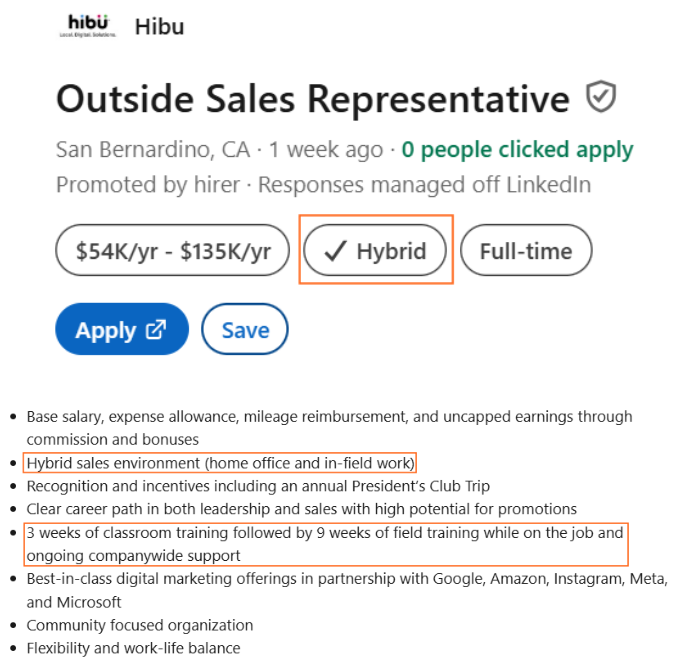
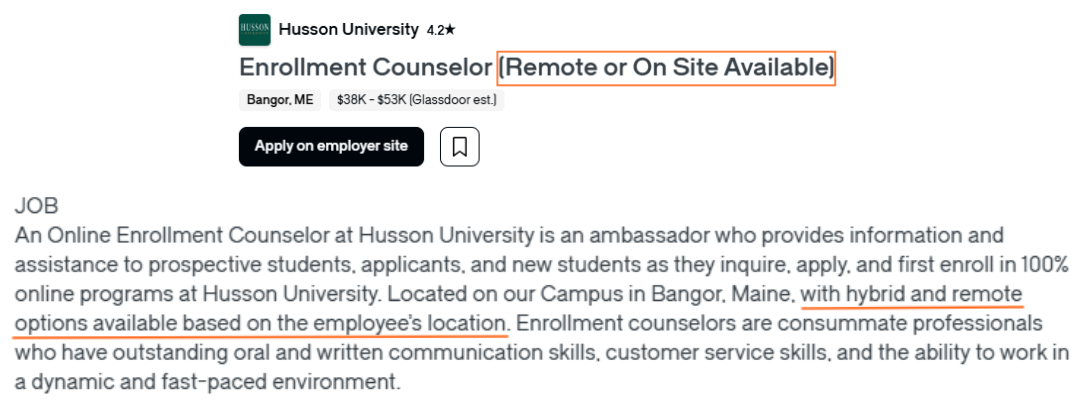
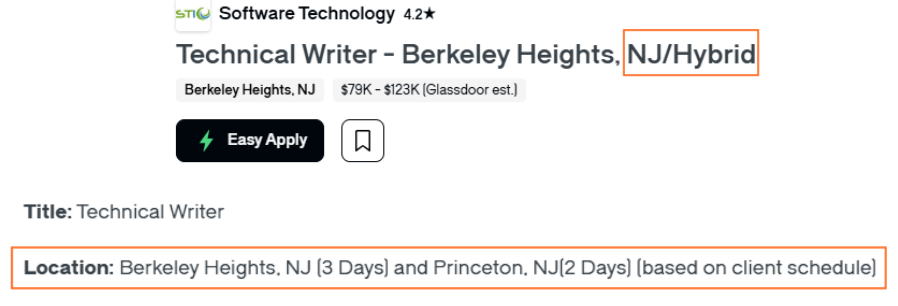
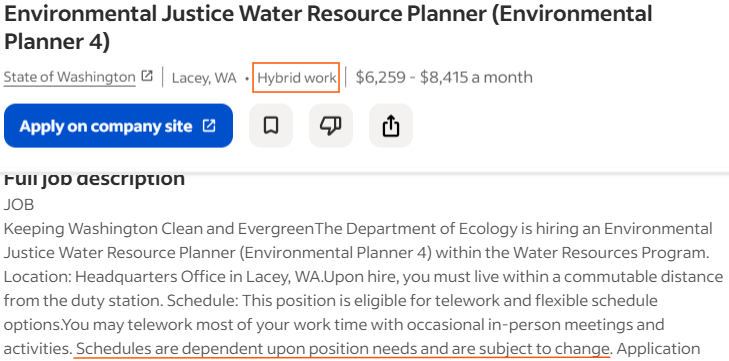
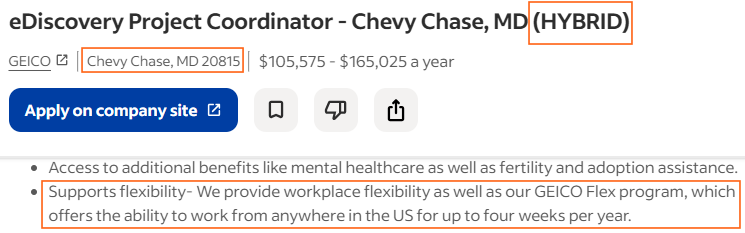
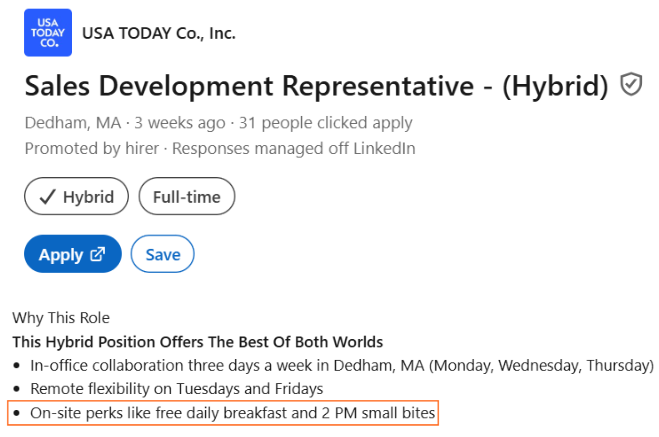
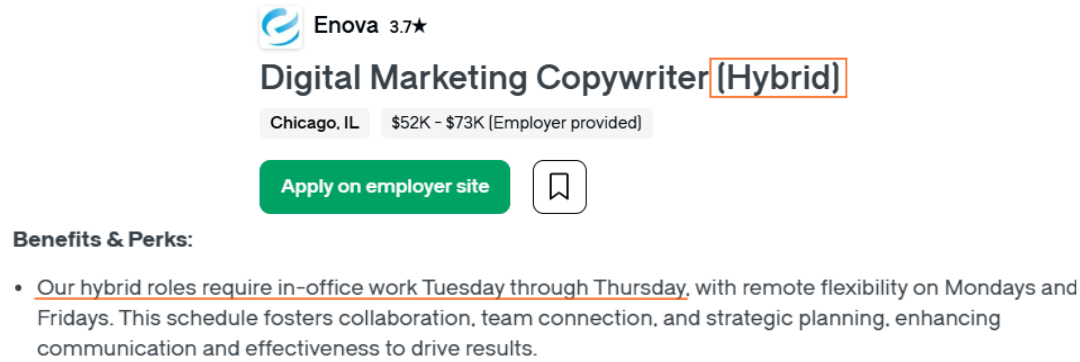
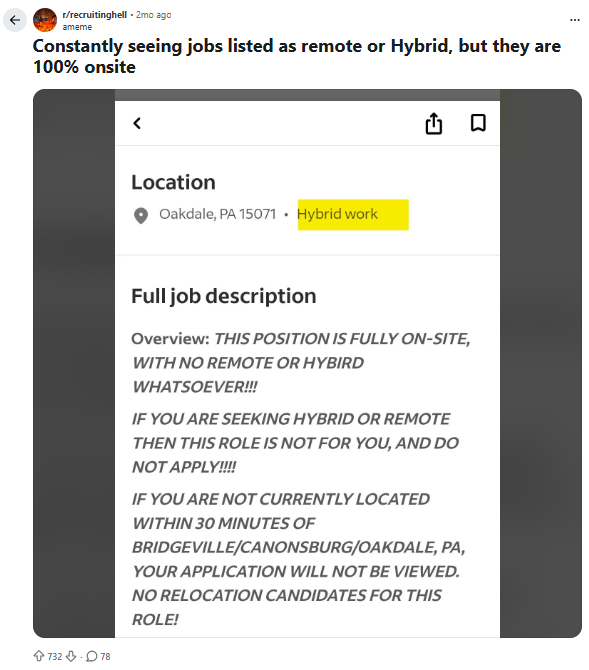
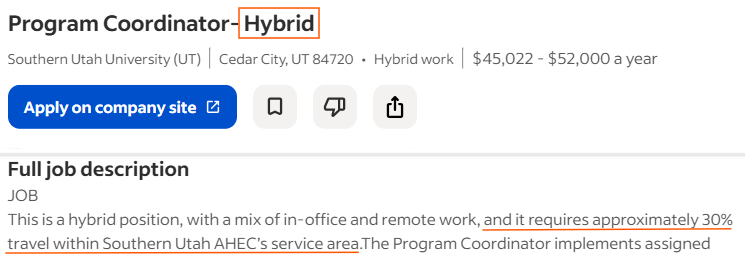
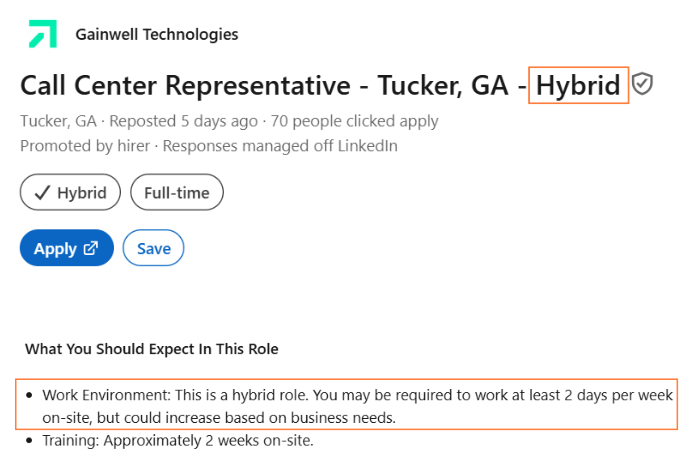
For job seekers, it has created a minefield of confusing, conflicting job posts that claim roles are hybrid or “flexible” while requiring a full-time (or near full-time) physical presence in the office.
To determine whether true hybrid work is a dying trend, we’ve analyzed job posts from three major job boards: LinkedIn, Indeed, and Glassdoor.
 We looked at