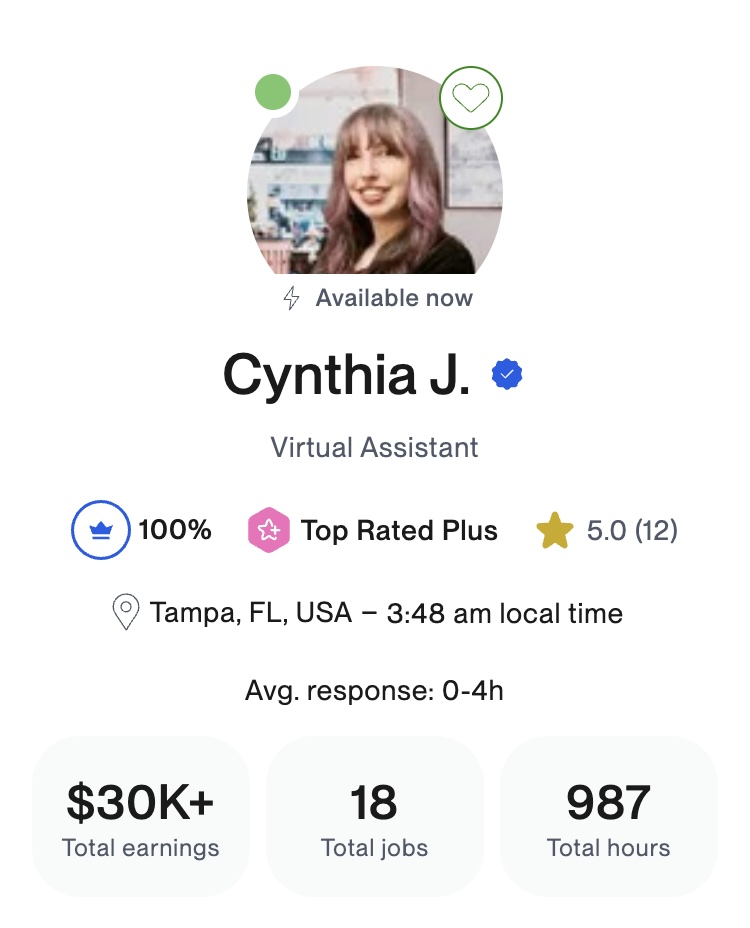


While some remote jobs have relatively high barriers to entry—software development is an example, since it requires extensive knowledge of a challenging field—working as a virtual assistant has historically been a more accessible route.
Virtual assistants, or VAs, handle administrative tasks for businesses or individuals. Their responsibilities often include:
- Emailing
- Calendar management and scheduling
- Data entry
On top of these core tasks, some VAs have more specialized responsibilities, such as social media management, customer service, or content creation.
Ten years ago, freelance virtual assistance was a popular entry point into remote work, but today, VAs face a different landscape. US-based freelancers are competing with workers in countries where the cost of living is lower, which means they can set their rates much more cheaply. What’s more, AI can now handle many tasks that once fell within a VA’s purview.
Despite that, some US-based virtual assistants are still making it work. What’s their secret, and what has actually changed about the job in the past few years?