In early January, popular streamer Lacy (real name Nicholas Fosco) made headlines when he asked fans to support his sleeping livestreams in order to help cover his $18,000-a-month rent (the result of a housing dispute with his former content creation group).
During these sleep streams, which he planned to host at least once a month, he asked viewers to simply let the stream run in the background so that he could earn extra revenue from ads.
While this side hustle is unconventional, Lacy isn’t alone.
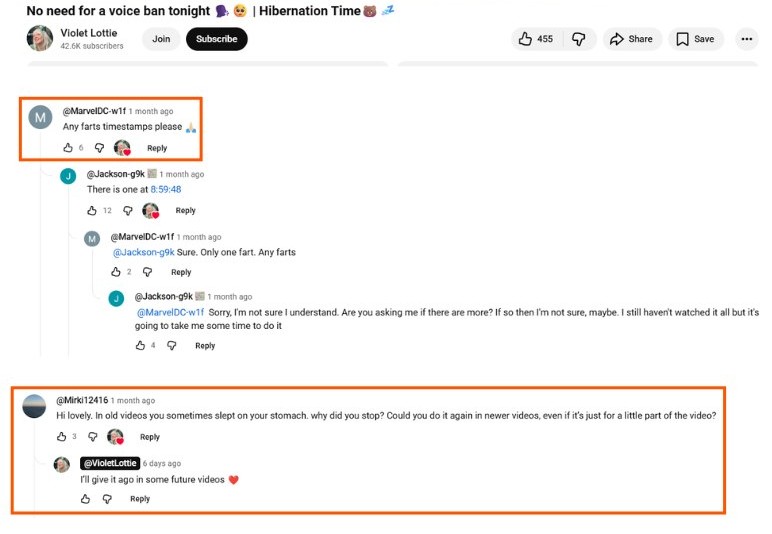
Sleep streaming has become a popular way to earn more during your downtime. Although it may not be as well-known as other types of streaming, like gaming, sleep streams are the ultimate representation of online behavior: the monetization of attention spans and the erosion of the boundary between private life and professional labor.
But what exactly does sleep streaming involve?