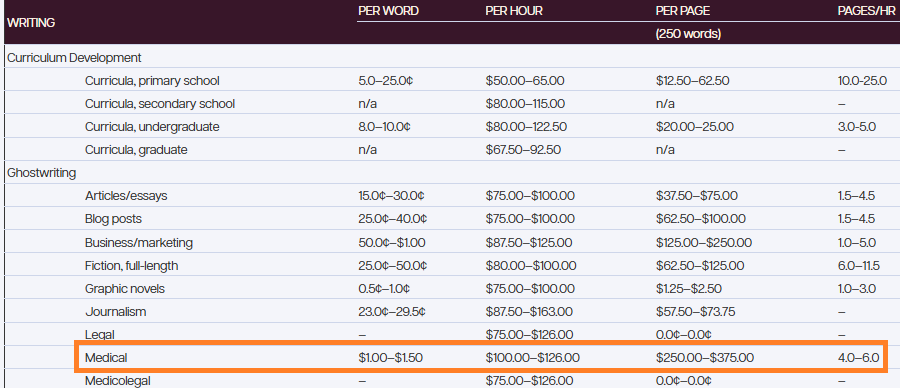


If you’re considering medical writing because you’ve heard it pays well, there’s some truth to that, but working in the field means navigating a challenging ethical landscape.
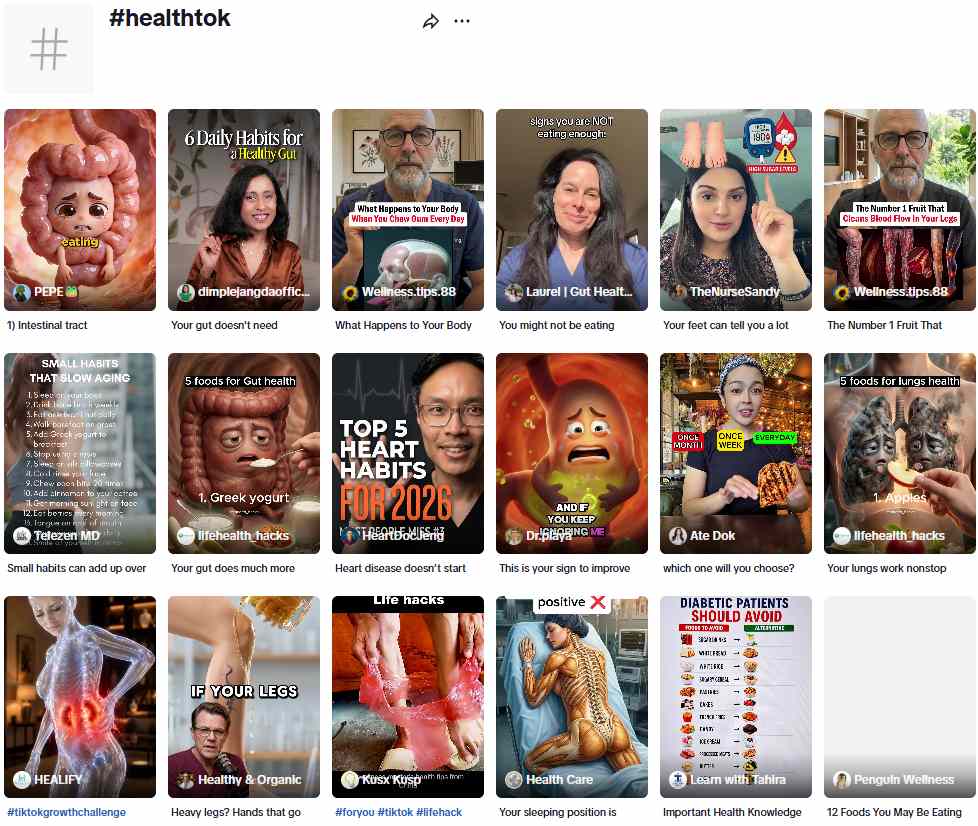
Today, generative AI makes it easy to spit out convincing but inaccurate health advice in seconds. Meanwhile, undisclosed ghostwriting is threatening the scientific credibility behind published medical research.
How can medical writers navigate this field, in which a poorly written article could influence a reader to try a potentially harmful treatment?
We spoke with several experienced medical writers to find out how they’re handling the pressure from AI, identifying deceptive clients, and building profitable careers without compromising their integrity.