

In much of the world, the service that Eloise Drane provides is illegal.
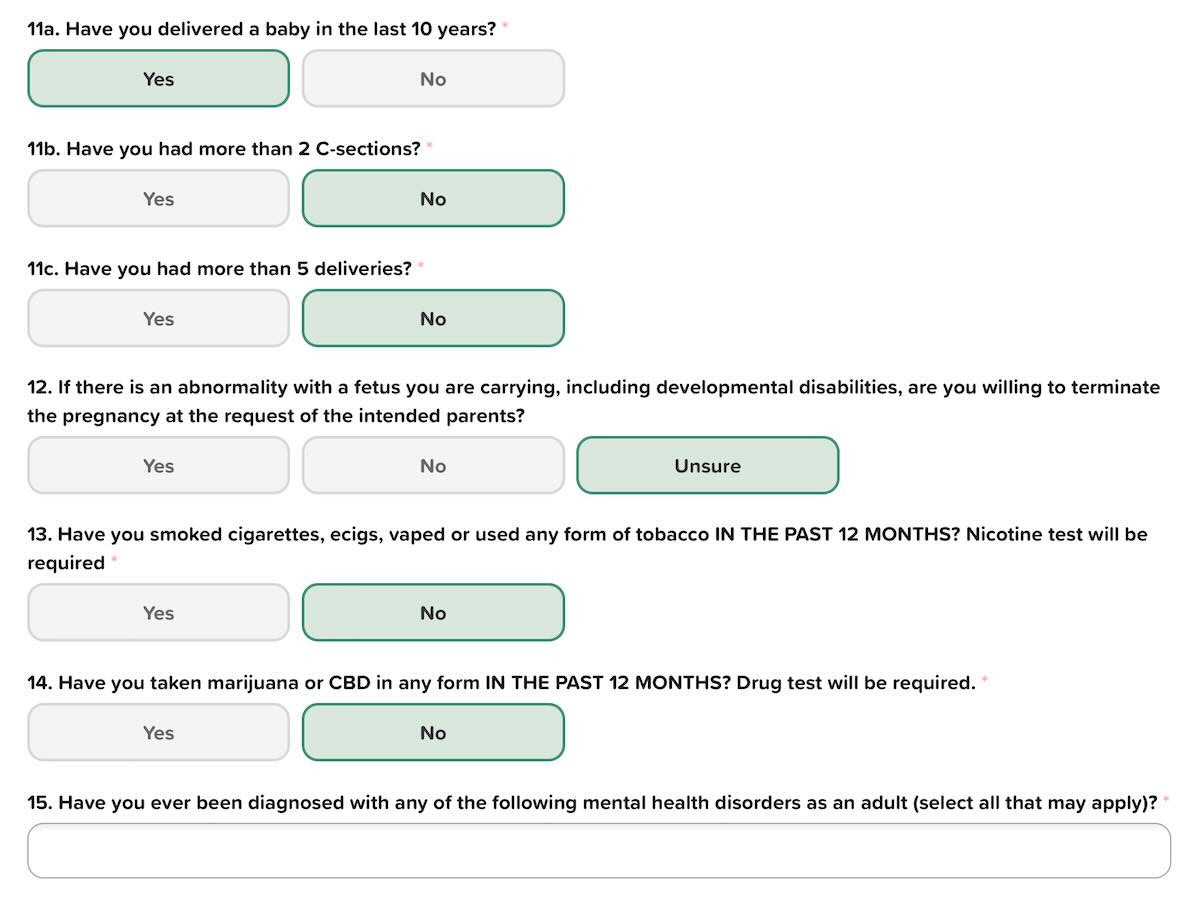
Her company, Family Inceptions, is a surrogacy agency. That means it matches women who are willing to become pregnant on other people’s behalf with clients who need someone to do exactly that.
These women are paid—often, quite a lot. The “Compensation” page on the Family Inceptions website reads, “We understand how important and meaningful this role is. That’s why we’re committed to supporting you with clear, fair compensation, often reaching up to $100,000.”
That’s more than most Americans make in a year, and it’s a payment for something that’s banned in most of the European Union, as well as Canada, Australia, and one US state—Louisiana, where commercial surrogacy is a crime punishable by up to ten years in prison, a fine of up to $50,000, or both.13
Paying a woman to carry a child is a deeply controversial practice. To many of its opponents, it’s degrading, dangerous, and exploitative. Some describe it with language like “the commodification of women’s bodies” and “baby selling.”
However, paid surrogacy has a number of passionate advocates, the majority of whom claim that despite how lucrative it can be, it isn’t really about the money.